Jay-Z – Run This Town ft. Rihanna & Kanye West (Official Video) is a powerful collaboration that turns ambition, dominance, and cultural momentum into a dramatic hip-hop statement. The song works as both a victory anthem and a warning about the cost of power, making it one of the most recognizable crossover records of the late 2000s.
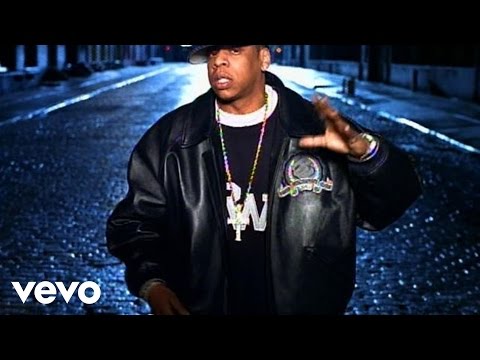
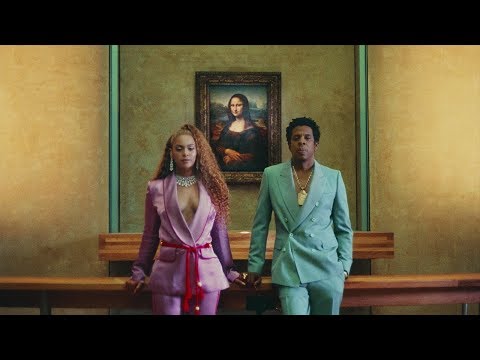
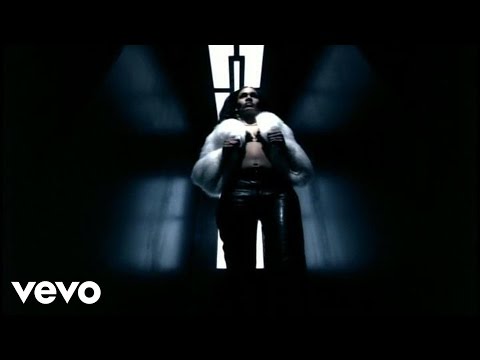
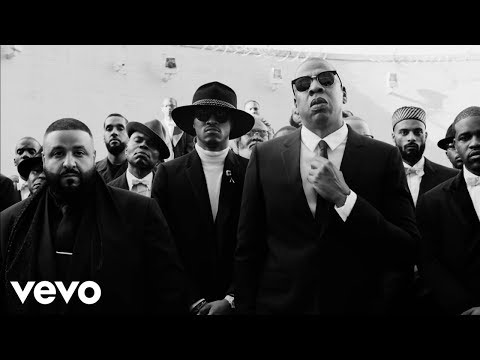
Released in 2009 as part of The Blueprint 3, “Run This Town” brought together Jay-Z, Rihanna, and Kanye West in a track built around urgency, authority, and collective force. The official video, released under Def Jam/Roc Nation, uses dark visuals, protest imagery, and a militarized atmosphere to support the song’s message of control, movement, and public power.
What makes the record durable is the way it sounds both triumphant and uneasy. Jay-Z frames the song as part of a larger Roc Nation-era vision, while Rihanna’s chorus gives it the force of a chant and Kanye’s presence adds tension and self-awareness. That balance is why the song is still discussed not just as a hit, but as a statement about leadership, image, and influence.
Positive Impact
On the positive side, this track showed how a rap single could operate like a large-scale cultural event. It helped reinforce the idea that hip-hop could sit at the center of global pop without losing its edge, and that artists could combine music, branding, and business strategy into one message.
Its value for the music industry is substantial. Records like this support producers, engineers, video directors, stylists, label teams, touring staff, marketing professionals, and distribution partners, all of whom benefit when a song becomes a multiplatform moment. The song’s Grammy wins for Best Rap Song and Best Rap/Sung Collaboration also show how it succeeded artistically as well as commercially.
There is also a broader social benefit in how the song presents Black success at a high level of visibility. It helped normalize the image of Black artists as cultural decision-makers, not just performers, and that matters for representation across media, fashion, entrepreneurship, and leadership narratives. For many listeners, the track functions as an anthem of self-belief, shared ambition, and refusal to stay invisible.
Critical Reading
A critical reading should also be honest about the limits of the song’s message. The video’s revolutionary imagery can feel heavy-handed, and the protest-like visuals may suggest collective struggle while the lyrics still center wealth, status, and personal dominance. That tension makes the record interesting, but it also creates a gap between the symbolism and the actual social meaning.
The song can also be read as elite mythology. Instead of empowering ordinary workers, it often frames power as something reserved for the already successful, which can make the track feel distant from everyday life. In that sense, it is inspiring but also exclusionary, because its vision of “running the town” depends on celebrity, capital, and industry access.
There is a further negative angle in how the song’s imagery can be interpreted as using rebellion as style rather than as real politics. The visual language borrows from revolution, protest, and crisis, but the final product remains a luxury-branded entertainment object. That does not make it meaningless, but it does mean viewers should treat the symbolism critically rather than literally.
Work And Society
The real contribution of “Run This Town” is how it shows the business side of cultural power. Jay-Z’s own framing of the track as tied to Roc Nation and a broader “we” statement makes it a useful example of how music can support entrepreneurship, artist development, and corporate identity at the same time. That has value across creative industries because it demonstrates how artists can move from performer roles into executive, ownership, and brand-building roles.
For workers in media and entertainment, the song is also a case study in how collaboration creates leverage. When major names like Jay-Z, Rihanna, and Kanye West come together, the result generates attention for everyone involved, from labels and platforms to stylists, directors, advertisers, and live-event teams. That kind of project shows how cultural production can activate many jobs at once, especially when a release becomes a visual and commercial centerpiece.
On the societal side, the song contributes to the larger conversation about who gets to lead culture and define success. It suggests that ambition can be collective rather than purely individual, which is why the “we” language matters so much in Jay-Z’s own explanation of the track. At the same time, the record reminds listeners that influence is not neutral: it can inspire progress, but it can also concentrate power and reinforce hierarchy.
Updated Context
As of 2026, “Run This Town” still holds up because its themes remain current: media power, brand identity, collaboration, and the politics of visibility. It also continues to circulate as a catalog record that benefits from streaming-era replay value and retrospective attention, which keeps classic hits economically useful long after their original chart run.
The track’s lasting relevance comes from this mix of meaning and scale. It is a song about ambition, but it is also a document of how modern music became tied to corporate strategy, visual spectacle, and superstar coordination. That is why it still feels both commercial and cultural, both celebratory and unsettling.
Professional Caption
Jay-Z, Rihanna, and Kanye West deliver a bold, high-stakes collaboration in “Run This Town,” a track that blends authority, spectacle, and ambition into a defining hip-hop anthem. The official video amplifies that energy with dark, militant imagery and a strong sense of collective power, while also leaving room for criticism about wealth, control, and symbolic rebellion.