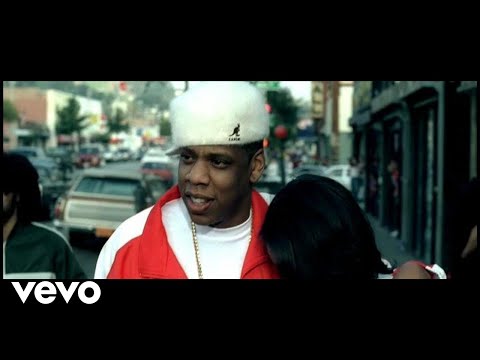
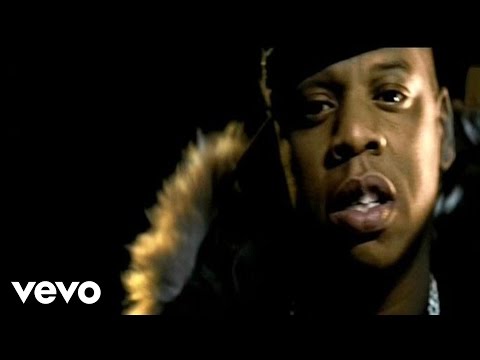
Jay-Z – 99 Problems (Official Video) | Classic Rap Hit is one of the most important rap visuals of the 2000s, because it turns a hard-edged hip-hop track into a sharp social portrait of race, policing, urban survival, and the tension between fame and real life. It remains relevant because its themes still connect with public debate about profiling, inequality, and the cultural power of Black storytelling in America
.
Refined Description
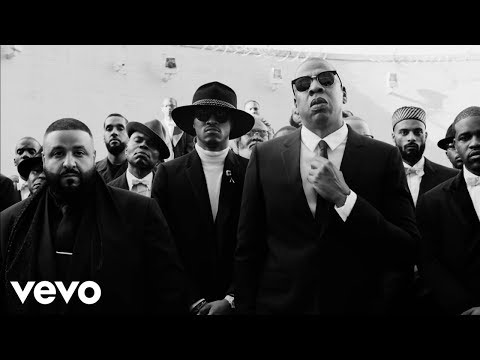
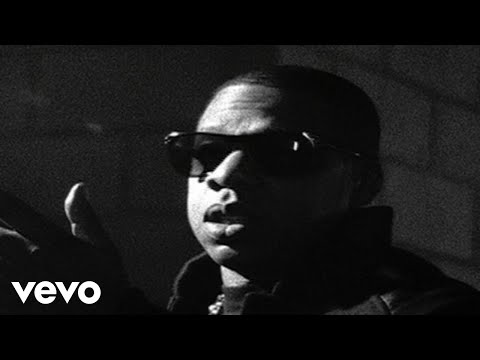
Released in 2004 on The Black Album, “99 Problems” is built on Rick Rubin’s stark, rock-influenced production and Jay-Z’s direct, unsparing delivery. The official video, directed by Mark Romanek, is especially notable for its black-and-white, documentary-style look, which gives the song a gritty realism and frames Brooklyn life as something artistic, serious, and socially meaningful rather than decorative.
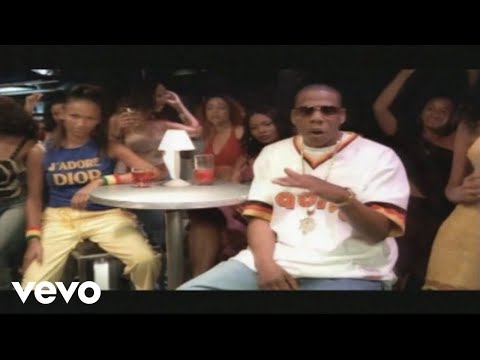
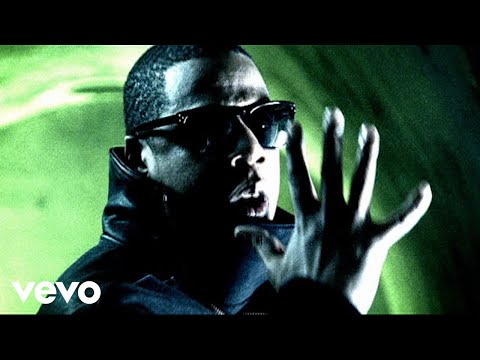
The video is often remembered for rejecting the glossy formula of many mainstream rap videos of its era. Instead of centering wealth as spectacle, it focuses on neighborhood texture, public spaces, and everyday tension, which makes the clip feel both cinematic and grounded in lived experience. That visual approach helps explain why the song has endured as more than a hit: it functions as a cultural document about a particular American moment and the communities shaped by it.
Positive Significance
On the positive side, “99 Problems” helped expand what a commercial rap single could do intellectually and aesthetically. It showed that a major hit could be commercially accessible while still confronting racial profiling, institutional power, and working-class pressure, which gave the song unusual depth and staying power.
Its contribution to the music industry is significant because it reinforced the idea that hip-hop could succeed without sacrificing complexity. That matters for artists, producers, directors, editors, publicists, streaming platforms, and media companies because it widened the market for socially conscious rap and elevated the status of music videos as serious visual storytelling. In practical terms, that kind of cultural prestige helps creative workers by increasing the demand for high-concept direction, filmic editing, and narrative-driven branding across entertainment and advertising.
The song also has value for society because it creates a widely understood language for discussing profiling and structural pressure. Even listeners who do not share Jay-Z’s background can recognize the broader message: success does not erase systemic friction, and public achievement does not protect people from unfair treatment. That makes the track useful in classrooms, cultural criticism, media studies, and conversations about race and law enforcement.
Critical Reading
A more critical reading shows that the song is not only a protest record; it is also a carefully controlled performance of toughness and authority. The same force that makes the song compelling can also flatten certain experiences into a stylized narrative of survival, where complexity is compressed into a memorable one-liner and a forceful persona.
There is also a negative side to the song’s cultural afterlife. Because the hook became so famous, it often gets repeated without the deeper context of the verses, which can reduce a serious social critique to a joke, a meme, or a generic slogan. In that sense, the track’s popularity can overshadow the very issues it was trying to expose.
Another critical point is that the video’s realism is still a constructed realism. Mark Romanek’s direction is highly artistic, and the documentary feel is deliberate, not neutral. That does not weaken the work, but it means viewers should understand it as a crafted interpretation of urban life rather than a pure record of it.
Work And Industry Value
The song’s real value across sectors comes from how it connects art, commerce, and social commentary. In music, it helped define a standard for rap videos that are visually ambitious and socially legible, influencing how labels, directors, and creative teams market serious hip-hop. In film and television, its style contributed to the wider acceptance of monochrome, street-reportage aesthetics in music media and branded content.
For journalism, education, and public discourse, “99 Problems” remains a reference point whenever people discuss racial profiling, policing, and the politics of Black representation. For creative workers, the song’s legacy is economic as well as artistic, because iconic cultural products create long-tail value through licensing, commentary, playlists, documentaries, retrospectives, and platform re-discovery. That kind of endurance is one reason classic hip-hop catalog can remain commercially important long after initial release.
Updated Context
The song still feels current in 2026 because the issues it raises have not disappeared. Public debate over policing, fairness, and racial bias remains active in the United States, which keeps the track relevant beyond nostalgia. At the same time, the broader media economy has made catalog music more visible through streaming, short-form video, and retrospective content, helping older classics circulate to new audiences.
That continued circulation matters for both the music business and society. For business, it keeps a proven catalog title alive across platforms and formats. For society, it preserves a culturally important example of how popular music can speak directly about power, inequality, and dignity without losing mainstream impact.
Professional Caption
Jay-Z’s “99 Problems” is a landmark rap video that combines raw storytelling, striking black-and-white cinematography, and urgent social critique into one of hip-hop’s most enduring cultural statements. It is celebrated for its artistic courage, but it is also remembered for exposing the realities of profiling, conflict, and survival in a way that still resonates today.