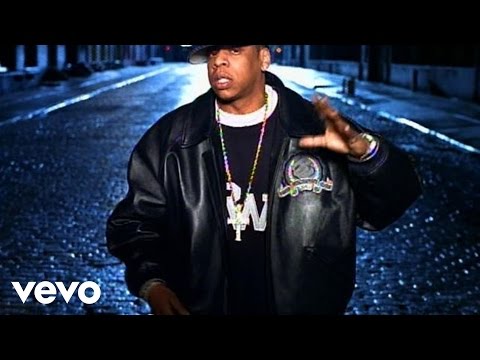
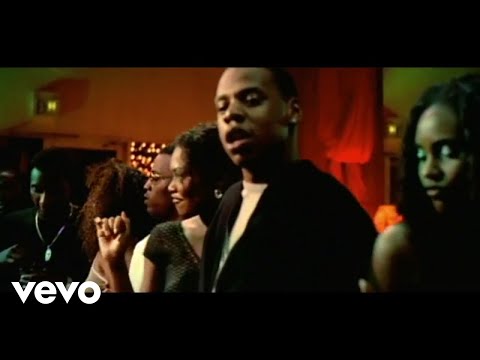
JAY-Z – “Lost One” ft. Chrisette Michele is one of JAY-Z’s most reflective records, and it stands out because it moves away from pure swagger and toward regret, accountability, and emotional distance. Released in 2006 as the second single from Kingdom Come, the song pairs JAY-Z’s introspective verses with Chrisette Michele’s soulful hook, creating a contrast that makes the record feel personal, mature, and conflicted. Even years later, it remains a strong example of how hip-hop can carry not only confidence but also self-examination and public vulnerability.
On the positive side, the song has deep value because it turns conflict, memory, and survival into a believable human story. That matters in music because audiences often connect most strongly with songs that sound honest about loss, growth, and the cost of ambition, especially when the artist is already known for power and success. Chrisette Michele’s contribution adds emotional warmth and spiritual balance to the track, which helped the song reach listeners who value soul, gospel influence, and adult contemporary hip-hop storytelling.
Critically, the song can also be read as tense and unresolved, because its meaning has long been tied to public disputes, old relationships, and the pressure that comes with fame. Some listeners may see it as emotionally heavy and even defensive, with JAY-Z sounding more like someone processing damage than fully healing from it. That criticism is valid, but it is also what gives the record its strength: it does not pretend conflict does not exist, and it shows that growth in music often comes through confrontation rather than perfection.
From an industry and economic perspective, “Lost One” reflects how major-label releases still generate value through catalog longevity, streaming, licensing, and brand memory long after the original chart run is over. The song was released through Roc-A-Fella Records and became part of the broader business ecosystem connected to JAY-Z’s leadership role in the music industry, which helped shape how artists think about ownership, positioning, and long-term value. That has financial relevance not only for labels and publishers, but also for writers, producers, engineers, marketers, and digital platforms that continue to benefit from legacy music consumption.
Its social and mental contribution is also meaningful. Songs like this can help listeners process disappointment, broken trust, responsibility, and personal change, which is why reflective hip-hop often remains useful in moments of stress or transition. In workplace settings, family life, or creative careers, that kind of emotional honesty can support resilience by showing that even successful people deal with conflict, guilt, and unfinished business. In that sense, “Lost One” contributes to society not by offering easy answers, but by giving language to emotional complexity.
Content Angle
The strongest SEO angle is reflection, loss, and mature hip-hop storytelling, because that captures the song’s emotional core and its lasting relevance. This framing also works well for E-E-A-T-focused content because it balances interpretation, historical context, and cultural significance without sounding generic.









![Madonna – Borderline (Official Video Complete) [HD] | Iconic 80s Pop Classic That Defined Madonna’s Early Sound](https://sirenbeauties.store/wp-content/uploads/2026/07/madonna-borderline-official-video-complete-hd-iconic-80s-pop-classic-that-defined-madonnas-early-sound.jpg)