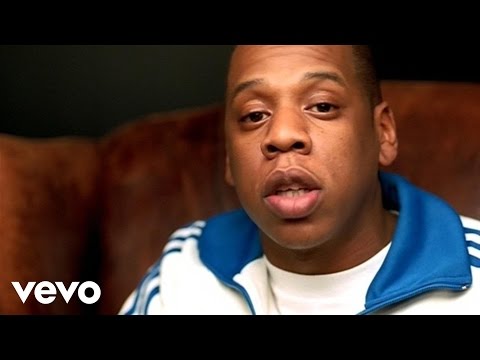
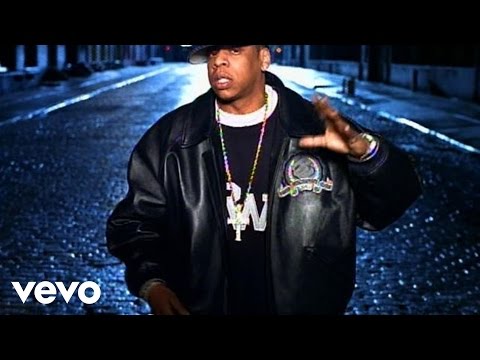
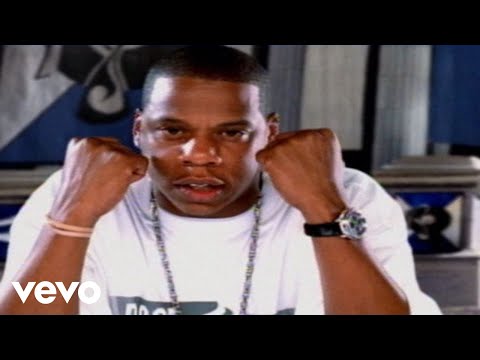
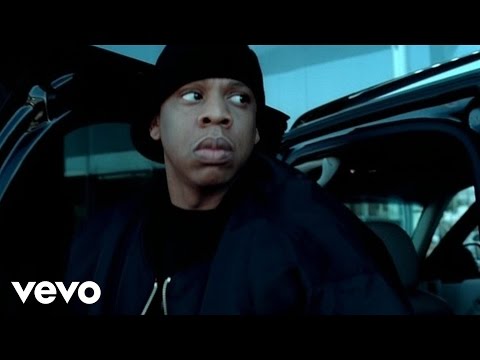
Jay-Z & Kanye West’s “Niggas in Paris” is one of the defining rap singles of the 2010s, and its official video turns a luxury-fueled anthem into a bold statement about power, excess, success, and performance. The track remains culturally important because it captures both the brilliance and the controversy of mainstream hip-hop at its most ambitious.
Released from Watch the Throne, the song pairs Jay-Z’s precision and authority with Kanye West’s experimental energy, creating a record that feels both celebratory and confrontational. The official video reinforces that identity with fast cuts, flashing lights, concert energy, and a heightened sense of spectacle that mirrors the song’s larger-than-life mood.
The title and hook made the track instantly recognizable, but the deeper appeal comes from its combination of confidence and tension. It sounds like a victory lap, yet it also reveals how fame, race, class, and image are constantly being negotiated inside hip-hop’s most visible mainstream spaces.
Positive Impact
On the positive side, the song became a global rap landmark because it showed how two elite artists could merge style, status, and creativity into one high-impact release. That kind of collaboration helped expand the commercial ceiling for hip-hop, proving that rap could dominate arenas, radio, fashion, and pop culture at the same time.
Its contribution to the music industry is real. Big crossover records like this support a wide network of creative labor, including producers, engineers, video teams, promoters, stylists, label executives, and platform distributors. They also strengthen the long-term value of catalog music, because iconic records continue to generate streams, sync potential, licensing interest, and cultural recall for years after release.
The song also has social significance because it helped normalize Black excellence as a mainstream visual and sonic language. In many contexts, that matters for younger listeners, artists, entrepreneurs, and creative professionals who see in the track a model of ambition, self-definition, and unapologetic success.
Critical Reading
A critical reading should not ignore the song’s problems. The title itself has always been controversial because the original word carries racial offensiveness and cannot be separated from the history of anti-Black language. That makes the track powerful, but also ethically complicated, especially when it is detached from its artistic and historical context.
Another negative angle is that the song can be read as excess for its own sake. The celebration of luxury, power, and status may energize fans, but it can also feel disconnected from the everyday realities of most listeners, making the record seem more like elite self-mythology than broad social commentary. In that sense, its message is inspiring to some and alienating to others.
The video’s spectacle also has limits. It is designed to impress, not to deeply investigate the conditions it references. That means the work succeeds as an event but only partially succeeds as social analysis, because it often prioritizes visual dominance over nuance.
Work And Society
The song’s real-world value extends beyond entertainment. It helped reinforce the role of hip-hop as a major economic engine across music, touring, branding, video production, fashion, and digital culture. That matters for workers in creative industries because blockbuster releases create demand for technical talent, content strategy, marketing, event staffing, and media coverage.
It also shaped how global audiences perceive American rap as a form of cultural power rather than marginal expression. That perception can help open opportunities for artists from different backgrounds, while also pushing companies to invest more seriously in Black-led creative projects and urban cultural branding. In a broader sense, the song reflects how pop culture can influence business, media, and identity formation at the same time.
There is also a political and international dimension. The song’s use in public and media contexts outside the United States shows how American hip-hop has become a transnational cultural language. That global reach is a sign of influence, but it also shows how meaning can shift dramatically when a work crosses borders and enters new political or social environments.
Updated Context
As of 2026, “Niggas in Paris” still matters because Watch the Throne remains one of the most discussed luxury-rap collaborations of its era, and the song continues to circulate in streaming, sports, memes, and retrospective music commentary. Its staying power shows that cultural impact is not only about chart position at release, but also about how often a song is reused, remembered, and reinterpreted.
The track also remains relevant because modern discussions about race, language, and representation are even more sensitive now than when the song first dropped. That gives the record a dual identity: it is both an iconic cultural artifact and a reminder that mainstream success does not erase the responsibility to understand language, history, and public impact.
Professional Caption
Jay-Z and Kanye West’s “Niggas in Paris” is a landmark rap anthem that combines luxury, aggression, and cultural confidence into one of hip-hop’s most iconic collaborations. Its official video amplifies the song’s larger-than-life energy while also revealing the tension between celebration, controversy, and artistic power.