Jay-Z – Izzo (H.O.V.A.) (Official Video) | Classic Hova Anthem is one of Jay-Z’s most important early-2000s signature records, because it turns personal triumph, self-mythology, and cultural confidence into a polished mainstream anthem. The song remains relevant today because it captures the moment when Jay-Z fully crossed from elite rapper to durable global brand while still keeping his New York identity intact
.
Released as the lead single from The Blueprint in 2001, “Izzo (H.O.V.A.)” is built around Kanye West’s soulful production and a prominent sample of The Jackson 5’s “I Want You Back,” which gives the track immediate warmth and familiarity. That sample choice is central to the song’s power: it turns nostalgia into momentum and frames Jay-Z’s rise as both personal and universal.
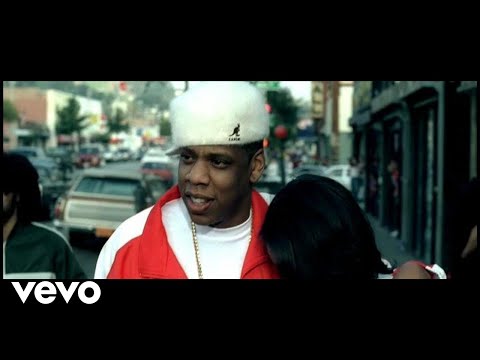
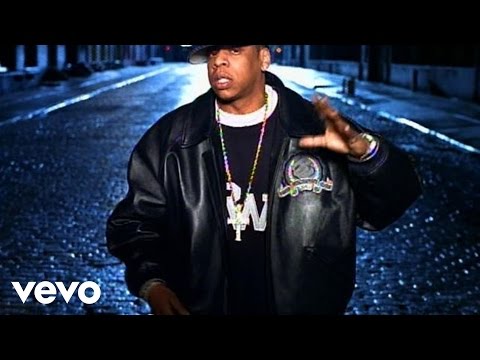
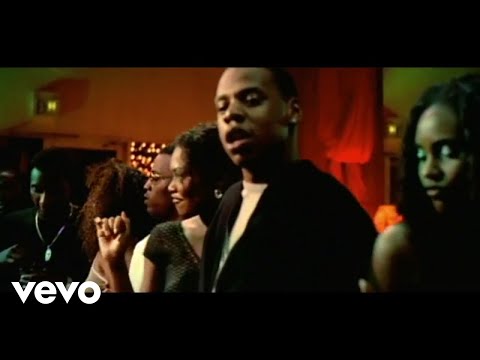
The official video reinforces that effect by presenting Jay-Z as charismatic, composed, and fully in control of the image he has built. The record became a breakthrough solo hit, reaching the Billboard Hot 100 top 10 and helping define the sound of Jay-Z’s post-1990s era. It is one of those rare rap singles that feels both celebratory and strategic, like a victory lap that also functions as a statement of artistic authority.
Positive Impact
On the positive side, “Izzo (H.O.V.A.)” helped elevate Jay-Z’s status from major rapper to cultural institution. It showed that a rap song could be deeply personal, commercially accessible, and musically elegant at the same time, which made it a model for how hip-hop could grow without losing identity.
Its contribution to the music industry is significant. The record helped normalize soulful, sample-driven mainstream rap at a time when production style was becoming a major part of an artist’s identity, and Kanye West’s role here is especially important because it foreshadowed the production language that would shape much of 2000s hip-hop. That created value for producers, engineers, publishers, labels, and video teams because it proved that sophisticated sampling could still produce a mass-market hit.
The song also has broader social value. Jay-Z’s lyrics move from street memory to professional success without pretending the past disappeared, which gives the track a rare sense of upward mobility that many listeners can connect with. For students, workers, and entrepreneurs, it offers a clear cultural message: origin does not have to limit destination.
Critical Reading
A critical reading should also acknowledge that the track is heavily built around self-mythology. The “Hova” persona is powerful, but it also places Jay-Z above the listener in a way that can feel less relational and more imperial, as if success is being narrated from the top of the pyramid rather than from shared ground.
There is also a negative side to the broader lyrical framing. Like much of Jay-Z’s early work, the song contains references to street life, status, and survival that are compelling but also tied to a commercial model built on masculine authority and dominance. That is part of the song’s appeal, but it can also make the record feel narrower than its musical sophistication suggests.
Another critique is that the song’s polished optimism can obscure the structural realities behind the success story. It celebrates ascent, but it does not deeply examine the economic systems, racial barriers, or social conditions that make such ascent exceptional in the first place. In that sense, the track inspires, but it does not fully interrogate the world that created it.
Work And Society
The song’s real contribution to work and progress is strongest in the creative economy. It helped demonstrate how a rap record can be built through strong songwriting, memorable sampling, brand clarity, and visual identity, all of which matter across music, media, and marketing. That kind of success supports jobs in production, A&R, publishing, design, editing, promotion, and catalog management.
It also matters for cultural representation. Jay-Z’s rise in this era helped expand the image of what Black success could look like in mainstream entertainment: not just performance, but ownership, strategy, and longevity. That has real value for society because representation influences ambition, self-concept, and the kinds of careers people imagine for themselves.
The song also helps explain how modern hip-hop became less genre-bound and more institutionally powerful. Records like this strengthened the case for rap as a central commercial force in music, fashion, advertising, and digital media, which affected how companies invest in artists and how audiences consume cultural authority. In that sense, the track did not just reflect progress; it helped structure it.
Updated Relevance
As of 2026, “Izzo (H.O.V.A.)” still matters because its formula remains highly legible in the streaming era: a strong hook, a great sample, a clear identity, and a story of transformation. Classic records like this keep finding new audiences because they work across generations and platforms without losing their core emotional pull.
It also remains a useful reference point for understanding Jay-Z’s broader legacy. The song captures the exact moment when he became more than a rapper—when he became a symbol of creative control, business ambition, and cultural permanence. That is why the record still feels current even though its original release is more than two decades old.
Professional Caption
Jay-Z’s “Izzo (H.O.V.A.)” is a classic anthem of triumph that pairs soulful production, sharp self-branding, and confident storytelling into one of the most important songs of his career. Its official video reinforces the track’s image of control and elevation, making it a defining statement of early-2000s hip-hop excellence.