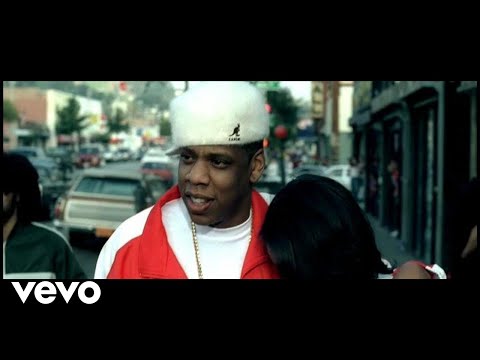
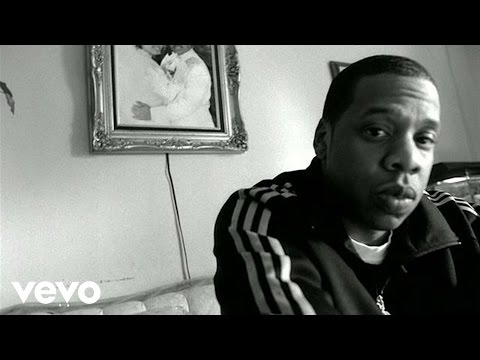
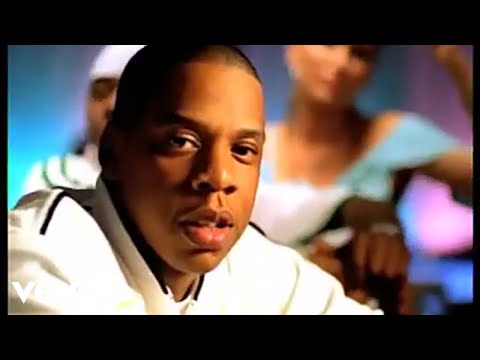
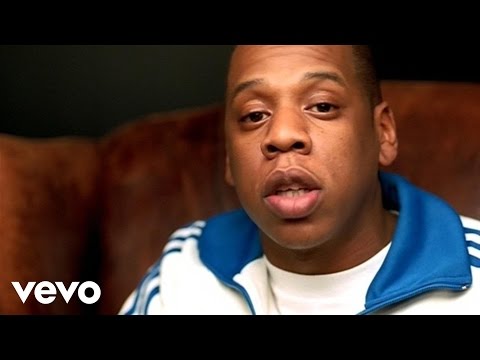
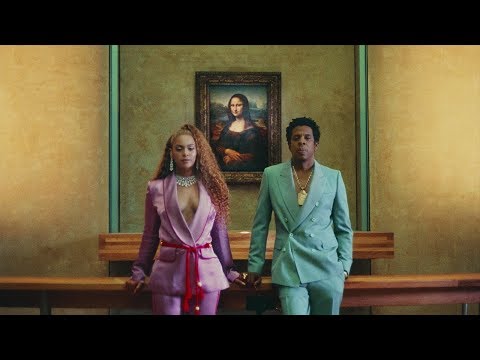
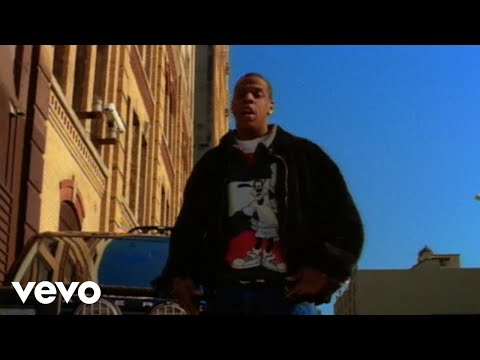
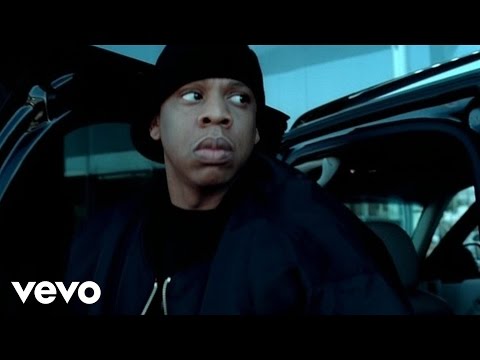
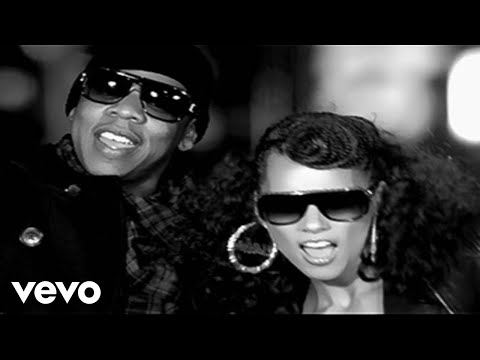
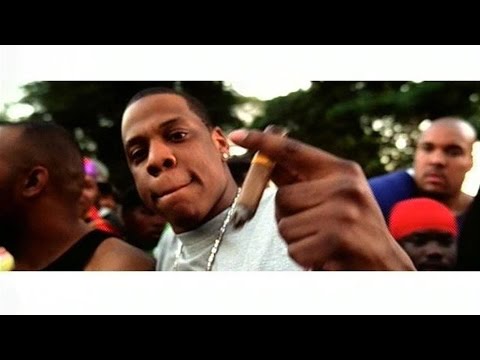
Jay-Z – Can I Get A… (Official Video) | Club Classic is a breakthrough late-1990s rap single that helped turn Jay-Z into a mainstream star while keeping the song rooted in club energy, street attitude, and commercial polish. It remains relevant because it captures the moment when hip-hop became fully embedded in radio, nightlife, film soundtracks, and mass-market pop culture
.
Refined Description
Released in 1998 from Vol. 2… Hard Knock Life, the song features Jay-Z with Amil and Ja Rule, and it became widely known through its infectious hook, club-ready rhythm, and strong crossover appeal. The official video reinforces that energy by presenting the record as a nightlife anthem built for movement, repetition, and crowd participation.
The song also matters historically because it helped define the commercial language of late-1990s hip-hop. It sits at the intersection of radio-friendly rap, club culture, and soundtrack-era visibility, which made it attractive to listeners beyond core hip-hop audiences. That broad reach is one of the reasons the track still feels like a classic rather than a dated single.
Positive Impact
On the positive side, “Can I Get A…” helped expand the audience for Jay-Z and for mainstream rap as a whole. Its catchy structure and polished production made it easy to program on radio, play in clubs, and place in pop-culture contexts such as film and broadcast promotion.
The song also contributed to the music business in practical ways. When a single becomes a club classic, it creates value across recording, publishing, promotion, DJ culture, nightlife, and live performance. That matters for workers in the entertainment economy because hits generate demand for engineers, producers, marketers, video teams, event staff, and licensing professionals.
Artistically, the record helped show that rap could be both commercially accessible and still firmly connected to the voice of urban nightlife. That balance influenced later artists who wanted records that could perform well in clubs without losing identity or charisma.
Critical Reading
A critical reading should also recognize the record’s limitations. Like many late-1990s mainstream rap singles, the song leans heavily on masculinity, partying, and sexual bravado, which can make it feel narrow when judged through a more modern lens. The energy is undeniable, but the lyrical worldview is not especially expansive.
There is also a broader social critique. Songs like this helped define an era in which commercial rap often prioritized vibe and status over deeper reflection, which can flatten the real conditions behind the music’s imagery. That does not make the song weak, but it does mean its cultural power comes more from momentum than from complexity.
Another negative point is that the track’s club-friendly success can obscure the labor and inequality that exist outside the fantasy it presents. The song invites celebration, but it gives little room to the everyday struggles of the audiences it entertains. In that sense, it is effective as a party record, but limited as social commentary.
Work And Society
The song’s real contribution to society is best understood through cultural infrastructure. It helped normalize the idea that hip-hop could dominate club playlists, radio rotations, and soundtrack ecosystems at once, which expanded opportunities for people working across music and media. For creative workers, that means more demand for production, sync licensing, event programming, and promotional strategy.
It also has value as a historical marker of crossover rap. Jay-Z’s rise through records like this showed major labels and entertainment companies that rap could be built into a broader commercial system without losing market power. That shift helped shape the modern music economy, where streaming-era hits still depend on the same blend of hook, identity, and repeatability.
Socially, the song reflects an important truth about popular music: nightlife records can create community, memory, and shared identity even when they are not deeply political. That makes it culturally useful, especially in spaces where music serves as a social glue for workers, students, and city audiences.
Updated Context
As of 2026, “Can I Get A…” still works because catalog music now lives far beyond its original release cycle. Songs like this continue to gain new listeners through streaming, playlists, remastered uploads, and retro club culture, which keeps older hits financially and culturally active.
It also remains relevant because it represents a key stage in Jay-Z’s career progression: the move from respected rapper to mainstream entertainment power. That transition is important not just as biography, but as part of the broader history of hip-hop becoming a major pillar of global popular culture.
Jay-Z’s “Can I Get A…” is a club classic that blends catchy hooks, nightlife energy, and mainstream rap ambition into one of the defining crossover records of the late 1990s. Its official video helped cement the song as a durable party anthem while also marking a major step in Jay-Z’s rise as a commercial force.