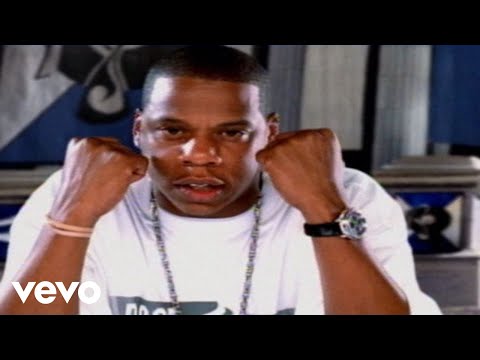
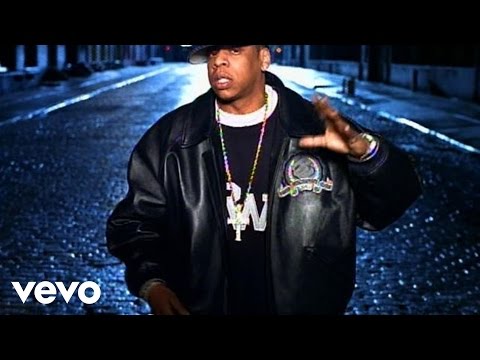
Jay-Z – Big Pimpin’ ft. UGK (Official Video) | Summer Classic is a defining late-1990s hip-hop visual that combines opulence, regional power, and unapologetic swagger into one of Jay-Z’s most memorable career statements. It remains culturally important because it captures the era when mainstream rap fully embraced luxury as both fantasy and marketing, while also revealing the genre’s unresolved tensions around gender, power, and excess
.
Refined Description
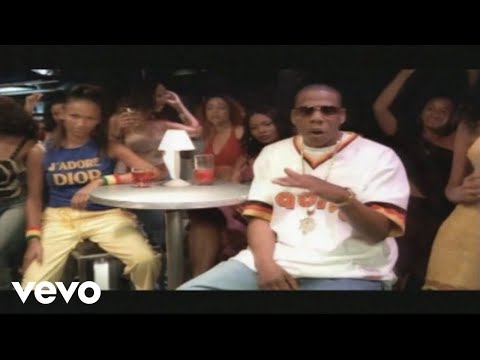
Released in 1999 on Vol. 3… Life and Times of S. Carter, “Big Pimpin’” features Jay-Z alongside UGK, creating a rare cross-regional collaboration that helped connect East Coast commercial dominance with Southern rap authority. The official video, shot in Trinidad during Carnival and famously reported as a very expensive production, uses yachts, crowds, money, nightlife, and performance spectacle to frame the song as a global party anthem rather than a local street record.
That visual strategy is a major reason the song still stands out. Instead of presenting struggle or social realism, it presents excess as the central language of success, making the video feel like a luxury export from hip-hop’s late-1990s peak. The presence of UGK also matters because it gives the record regional authenticity and expands its cultural reach beyond a single city or coast.
Positive Impact
On the positive side, “Big Pimpin’” helped define the sound and image of large-scale mainstream rap at the turn of the millennium. It proved that a rap record could be both club-oriented and commercially massive while still carrying enough identity and attitude to become a long-term cultural reference.
Its contribution to the music and media industries is significant. The video’s scale helped normalize big-budget hip-hop visuals, which supported jobs in directing, cinematography, styling, logistics, production coordination, event support, and label promotion. It also helped strengthen the business case for rap as a premium entertainment product, which influenced how record companies and brands approached high-visibility hip-hop releases in later years.
The collaboration with UGK also had genuine artistic value. It showed that major commercial records could bridge regional scenes rather than flatten them, and that kind of cross-market cooperation matters for the growth of music ecosystems, touring, and audience expansion. In that sense, the song contributed to the broader integration of Southern rap into the mainstream industry conversation.
Critical Reading
A critical reading has to confront the song’s most obvious problems. The lyrics are deeply misogynistic, and even Jay-Z later expressed regret about aspects of the writing, saying he was uncomfortable with what he had said when he revisited the words years later. That makes the record historically important, but also morally difficult to defend without qualification.
The song’s imagery is also tied to a culture of consumption that can feel empty or even corrosive. The video turns wealth into the main spectacle, but it offers very little reflection on the labor, inequality, or social cost behind that wealth. In that way, it can be read as a celebration of power that leaves little room for accountability.
There is also a legal and ethical layer to its legacy. The track became known not only for its success, but also for a copyright dispute over the sample source, which raised questions about clearance, authorship, and the global circulation of musical material. That controversy reminds listeners that iconic songs often sit inside complex legal and creative systems, not just artistic ones.
Work And Society
Even with its flaws, the record had real value for multiple sectors. For entertainment workers, it helped expand the market for big-budget music videos, which supported creative labor across set design, wardrobe, editing, choreography, transportation, and production management. For music executives and marketers, it became a model of how a single visual could extend a song’s life, strengthen artist branding, and increase catalog value over time.
For society, the song is more complicated. It clearly reflects an era when success was often communicated through conspicuous consumption, which can inspire ambition but can also normalize objectification and performative wealth. That dual effect is why the track is still discussed: it is both a landmark hit and a reminder of how mainstream culture can glamorize attitudes that later generations question more seriously.
The UGK feature also carries broader cultural meaning because it demonstrates collaboration across the Southern and Eastern rap worlds at a time when regional identity was a major part of hip-hop’s evolution. That kind of collaboration helped build a more interconnected national rap industry, which ultimately benefited artists, fans, producers, and live-event economies.
Updated Context
As of 2026, “Big Pimpin’” still matters because catalog hip-hop remains highly visible through streaming, retro playlists, social clips, and anniversary commentary. Songs like this continue to generate discussion not only because they are catchy, but because they sit at the intersection of music history, business history, and cultural criticism.
The track’s legacy is therefore mixed in the strongest possible way: musically influential, visually iconic, commercially successful, but ethically and socially controversial. That complexity is exactly why it remains a summer classic—its pleasure is undeniable, but its worldview is impossible to treat as harmless.
Professional Caption
Jay-Z’s “Big Pimpin’” featuring UGK is a flashy, era-defining hip-hop anthem that turned luxury, regional collaboration, and visual excess into a landmark official video. Its legacy is powerful but contested, celebrated for its influence on rap aesthetics while also criticized for misogyny, excess, and the values it normalizes.
![Madonna – Borderline (Official Video Complete) [HD] | Iconic 80s Pop Classic That Defined Madonna’s Early Sound](https://sirenbeauties.store/wp-content/uploads/2026/07/madonna-borderline-official-video-complete-hd-iconic-80s-pop-classic-that-defined-madonnas-early-sound.jpg)