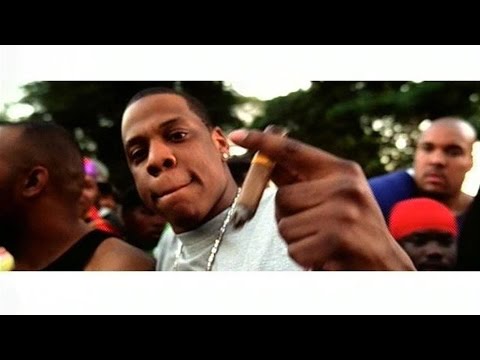
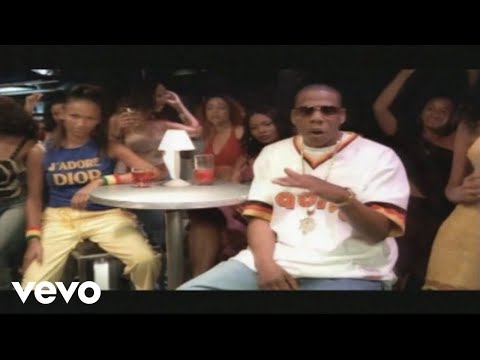
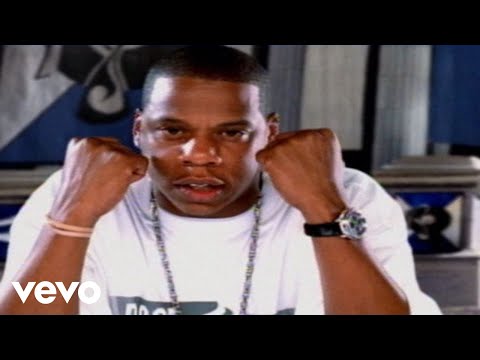
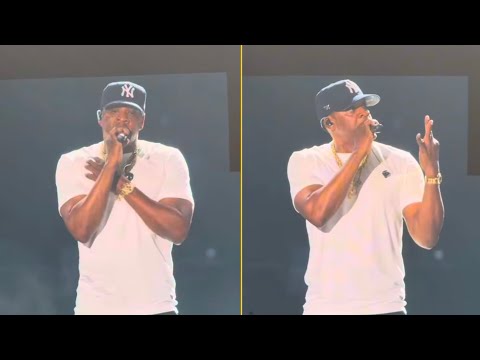
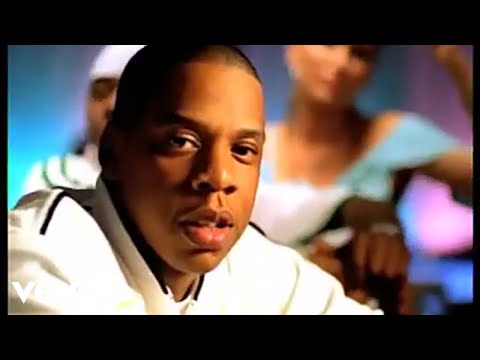
“On To The Next One” is one of the standout records from JAY-Z’s The Blueprint 3, pairing his sharp, forward-moving lyricism with Swizz Beatz’s bold, electrified production. Released as a single in 2009, the song became a defining example of late-era JAY-Z confidence: minimal in concept, aggressive in execution, and built around momentum rather than nostalgia.
On the positive side, the track is a masterclass in evolution. JAY-Z uses the record to project leadership, resilience, and long-term thinking, while Swizz Beatz supplies a sound that feels urgent, modern, and engineered for big stages and large audiences. That combination helped the song resonate not just as a rap single, but as a statement about moving past noise, criticism, and dead-end distractions.
The song also has real industry value. It won the Grammy Award for Best Rap Performance by a Duo or Group, confirming its impact beyond fan reaction and placing it among the most recognized collaborations of its era. For music, branding, and entertainment strategy, the record shows how a strong hook, a memorable sonic identity, and high-profile collaboration can still create lasting catalog value years after release.
A more critical reading gives the song added depth. “On To The Next One” can feel cold, dismissive, and almost transactional, which is part of its appeal but also part of its limitation. Its message of constant forward motion can inspire ambition, yet it can also sound like emotional detachment or a refusal to sit with consequences, especially in a culture that often rewards speed over reflection.
That tension is exactly why the record still matters. In business, media, and creative work, the idea of “moving on” can mean growth, discipline, and adaptation — but it can also mean ignoring unfinished problems or treating people like obstacles. The song captures both sides of that reality, making it useful not only as a hit record, but as a cultural text about power, succession, and the cost of staying ahead.
Swizz Beatz’s contribution is essential to the record’s identity. His production style helped shape a more aggressive, synthetic lane in hip-hop, and later commentary on his evolution shows how once-polarizing producers can become foundational to the genre’s sound shift. In that sense, the track contributes to music production, artist branding, event energy, and the broader progression of hip-hop as an industry that rewards reinvention as much as consistency.

![Madonna – Borderline (Official Video Complete) [HD] | Iconic 80s Pop Classic That Defined Madonna’s Early Sound](https://sirenbeauties.store/wp-content/uploads/2026/07/madonna-borderline-official-video-complete-hd-iconic-80s-pop-classic-that-defined-madonnas-early-sound.jpg)